There are a few key words or sayings that are repeated constantly to teacher candidates throughout teachers college whether it is from instructors, professor or associate teachers.
One of which has been (for me) the most difficult to accept, while also probably being the most true to a new teachers success:
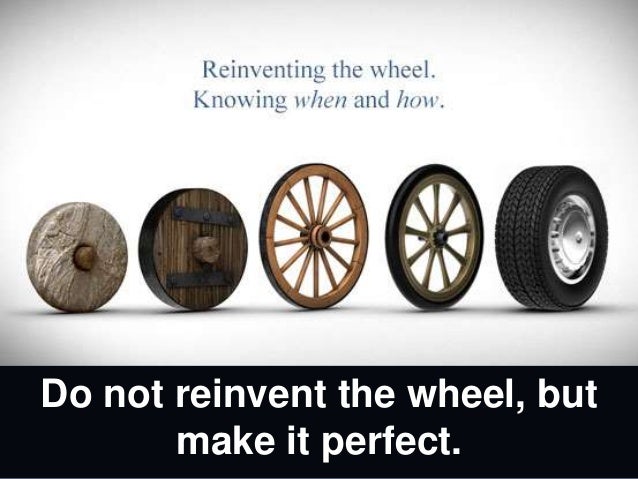
For many of us who are new to teaching this simple and completely true statement seems slightly ridiculous. How are we supposed to show our creativity if we aren't reinventing the wheel? Does asking for resources make me seem lazy or unwilling to work as hard as I should be?
During my first placement I would say I struggled with this concept a lot more than I am now. I was teaching Grade 7 science on rotary and wanted so badly to be able to walk in and teach the greatest chemistry lessons. Realistically, this was unlikely. 1) I was new to the science world (having english and geography as my teachables) and 2) I was new to the teaching world (how would I ever know what was expected in a typical grade 7 science lesson?)
Still I tried so hard to find my own resources and create my own innovative lessons, and I definitely do not regret doing this. However, I do regret not asking for more help.
Teaching is all about collaboration (as anything should be really). How can we expect our students to believe 'two hands are better than one' if we aren't demonstrating that for them?
So, upon entering my second placement this year I had some new goals. Yes, I was still focussed on innovation and creativity (and definitely a lot of FUN!). However, I was also focussed on doing these things by utilizing the experience, trial and error and knowledge that could be shared by my associate.
Is it a surprise when I say that after only being two weeks in to this placement I already feel far more confident and successful than I did by the end of my last one?
Stay tuned to read about the resources I have been using thus far!
One of which has been (for me) the most difficult to accept, while also probably being the most true to a new teachers success:
Don't reinvent the wheel!
During my first placement I would say I struggled with this concept a lot more than I am now. I was teaching Grade 7 science on rotary and wanted so badly to be able to walk in and teach the greatest chemistry lessons. Realistically, this was unlikely. 1) I was new to the science world (having english and geography as my teachables) and 2) I was new to the teaching world (how would I ever know what was expected in a typical grade 7 science lesson?)
Still I tried so hard to find my own resources and create my own innovative lessons, and I definitely do not regret doing this. However, I do regret not asking for more help.
Teaching is all about collaboration (as anything should be really). How can we expect our students to believe 'two hands are better than one' if we aren't demonstrating that for them?
So, upon entering my second placement this year I had some new goals. Yes, I was still focussed on innovation and creativity (and definitely a lot of FUN!). However, I was also focussed on doing these things by utilizing the experience, trial and error and knowledge that could be shared by my associate.
Is it a surprise when I say that after only being two weeks in to this placement I already feel far more confident and successful than I did by the end of my last one?
Stay tuned to read about the resources I have been using thus far!
Comments
Post a Comment